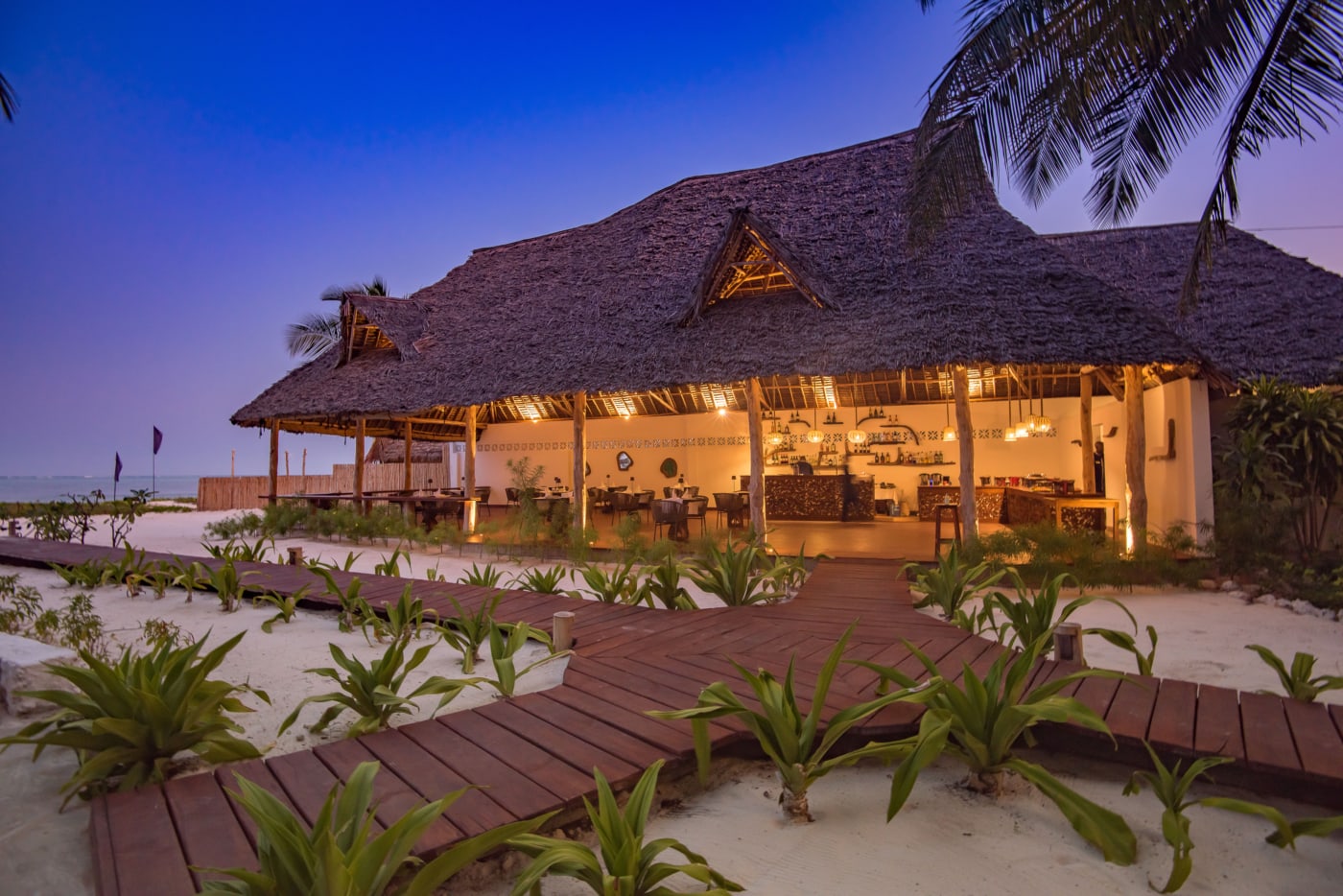
Honeymoon advertisement
“Disappear together.”
↓ A journey built around that intent
Private villas, romantic dining, couples experiences and reassurance about getting here.
Mobile-first landing pages and booking funnels that turn “that looks incredible” into “let’s see our dates.”
See how we build them ↓Most hotel campaigns send every visitor to the same place: the homepage. Or straight into dates and prices, before the guest has enough reason to care.
A family pool. Wedding menus. Restaurant hours. Every possible reason to visit, competing with the reason they clicked.
By the time a guest reaches your booking engine, they understand what they’re booking — and why they want it.
Your website remains your digital property. It serves past guests, future guests, travel advisors, wedding planners and everyone else. A funnel gives one campaign one focused path.
What someone sees next should feel like a continuation of what they clicked. The message, photography and experience stay connected.
Private villas, romantic dining, couples experiences and reassurance about getting here.
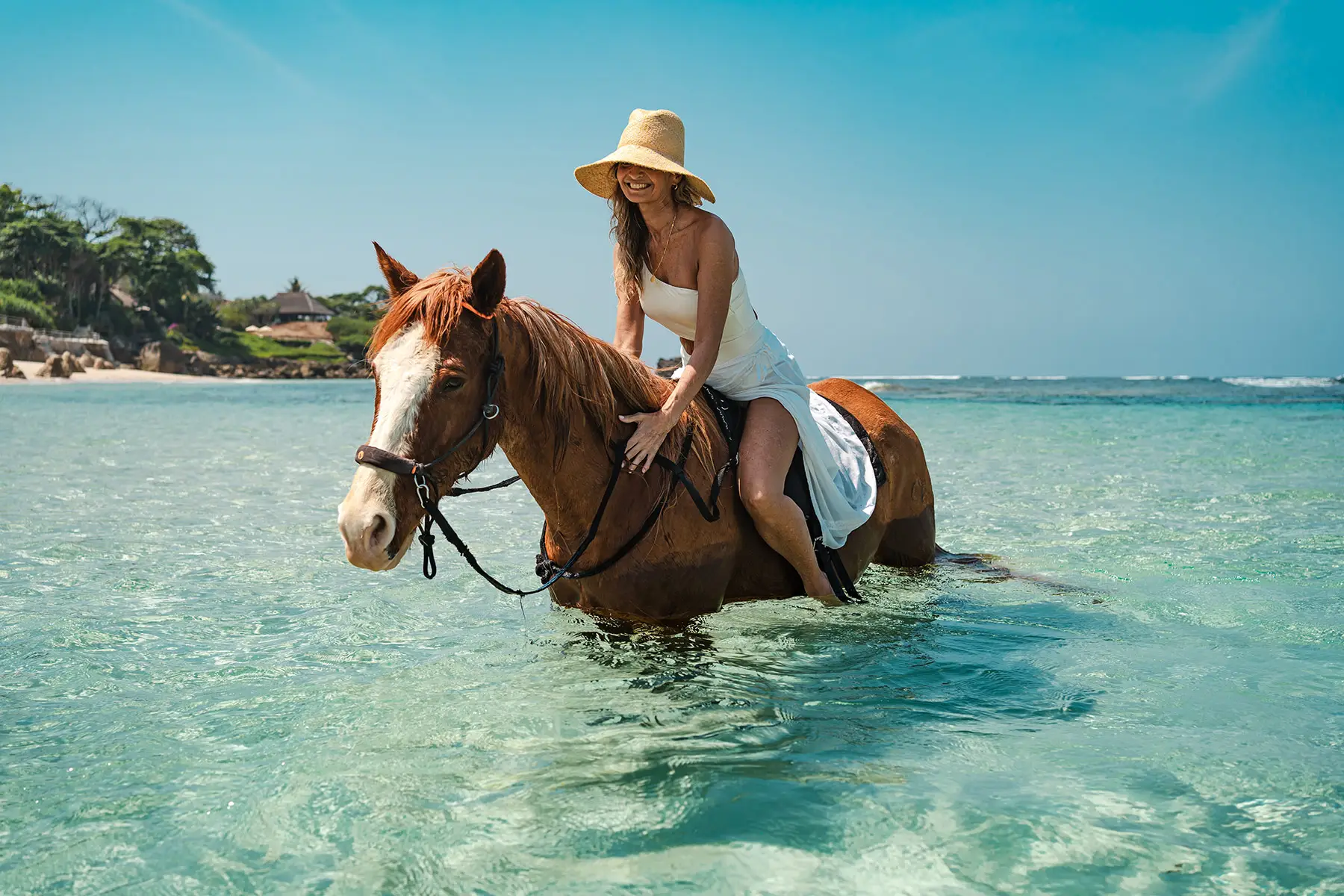
Destination stories, active experiences and the freedom to explore from a beautiful base.
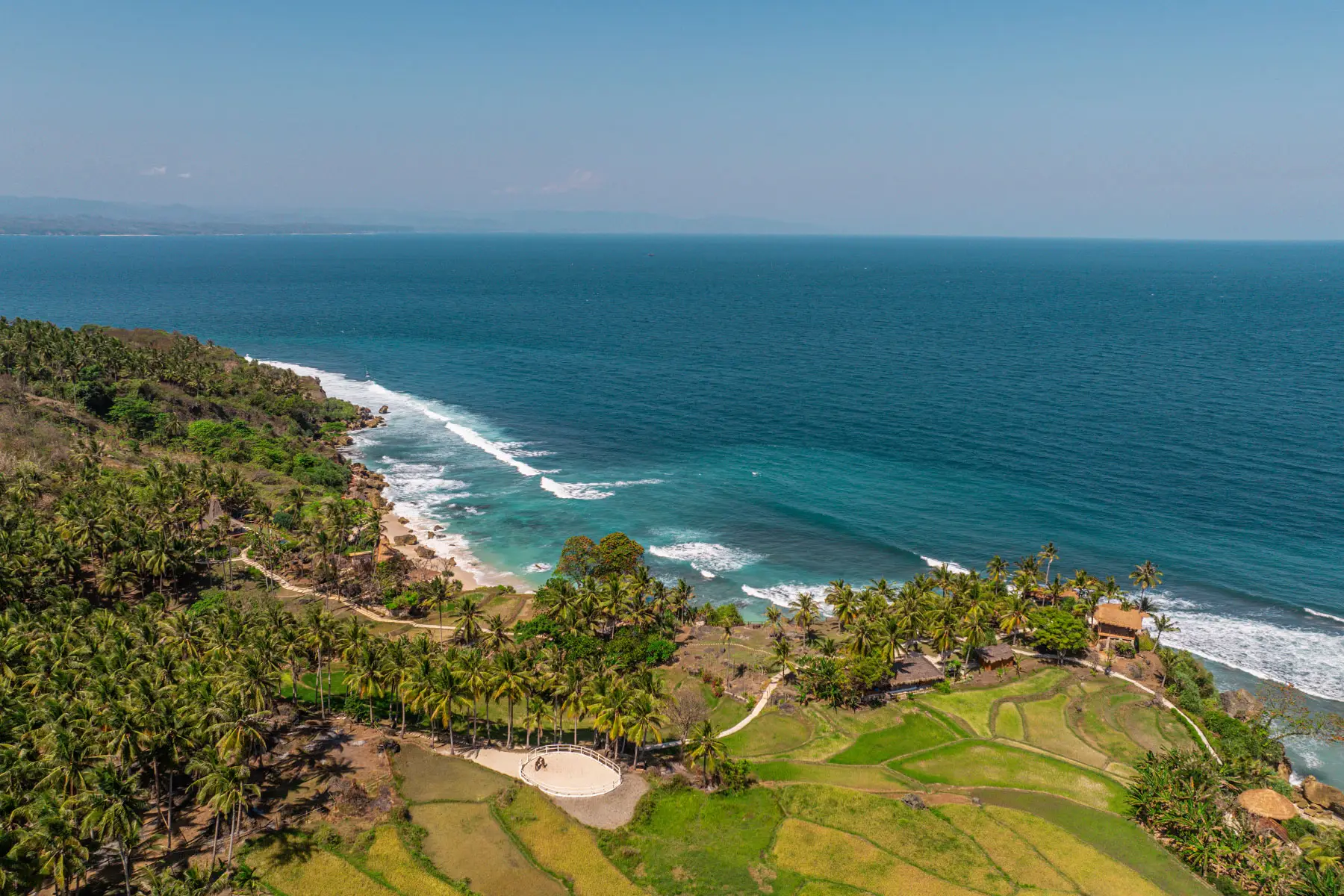
Nature, restorative experiences and the space to reset. The retreat stays at the heart of the story.
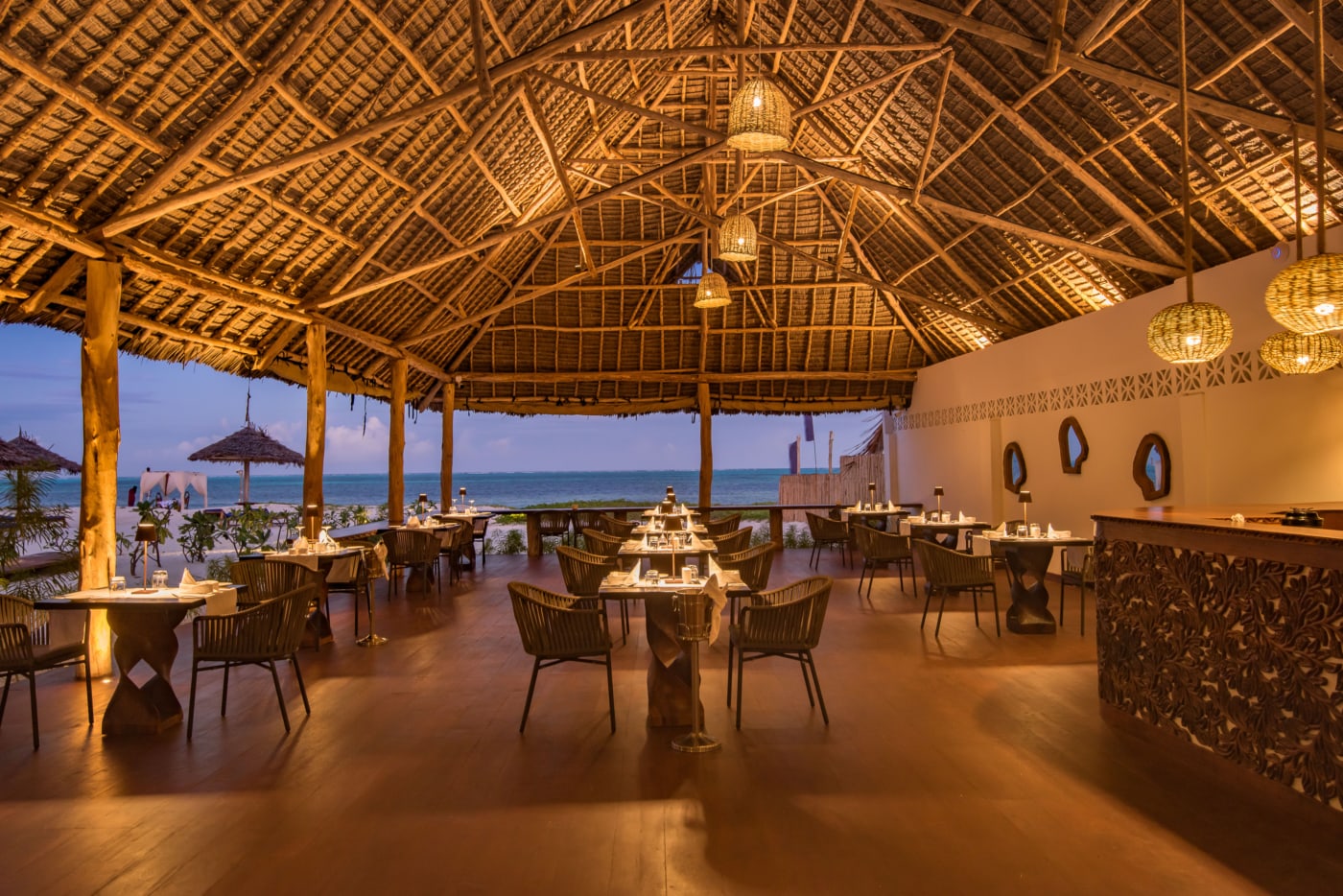
Illustrative campaign routes. Photography from Amani Boutique Hotel and NIHI Sumba asset libraries; these examples are not client performance claims.
Useful questions help guests find what matters to them. Try the example: choose a trip, then see how the next screen changes.
Let’s find the stay that feels like you.
Interactive example · no guest data collected
Before we touch the page, we understand the campaign, the guest and what needs to happen next. Then we build, measure and improve.
Who is coming? What did the ad promise? How familiar are they with the property? What is their likely booking window?
A page for someone searching your hotel by name can be completely wrong for someone discovering the destination for the first time.
We identify the questions standing between interest and action, then put the answers in a useful order.
The result is a decision map: a working plan for what the guest needs to understand before they are ready to choose dates.
Short sections. Focused questions. Strong photography. Video where it helps. Relevant reviews, room options and clear next steps.
No unnecessary website furniture. The guest moves from the world of the advertisement into a mobile experience that feels like the hotel.
Campaign source travels with the visitor. Where the setup supports it, events show which guests progress and where the journey loses them.
We measure toward booking starts, reservations and revenue — with an explicit boundary wherever the booking technology limits visibility.
An event schema, not an analytics report. Actual measurement depends on the property’s implementation.
Move the reviews. Reframe the offer. Remove a question. Split a guest segment. Test a clearer booking handoff.
The question moves from “does everyone like the page?” to “did it produce more valuable booking intent?”
If private space is the strongest reason to choose the stay, a villa-first opening may bring more qualified guests to availability.
The goal is valuable booking intent from the traffic you already pay for. Testing cadence follows traffic volume and the strength of the evidence.
Illustrative test hypotheses, not current offers. Evaluate booking starts, reservations and revenue wherever reliable data is available.
Thumb-friendly interactions. Readable type. Focused choices. Simple forms. Fast-loading media. Each screen has a clear job.
Your own little corner of somewhere beautiful.
Find your escape →
Explore your room, then check dates in the hotel’s booking engine.
Let’s see our dates ↗Illustrative sequence · Opening → preference → relevant stay
Many booking engines sit on another domain. Before promising perfect tracking, we determine what your setup actually supports.
Where closed-loop attribution is possible, we build toward it. Where it isn’t, we measure the deepest reliable event and tell you exactly where the visibility ends.
Possible measurement methods. Availability and consent requirements are reviewed for each implementation.
For groups, retreats, weddings and buyouts, the next step is often a conversation. Send the team context they can actually use.
The conversation starts from zero.
Not every hotel needs seven funnels. We build around meaningful differences in audience, offer and buying intent.
Sell privacy, romance and the experience of staying together.
Build desire for a particular villa, suite or room category.
Help someone choose the destination, then the property.
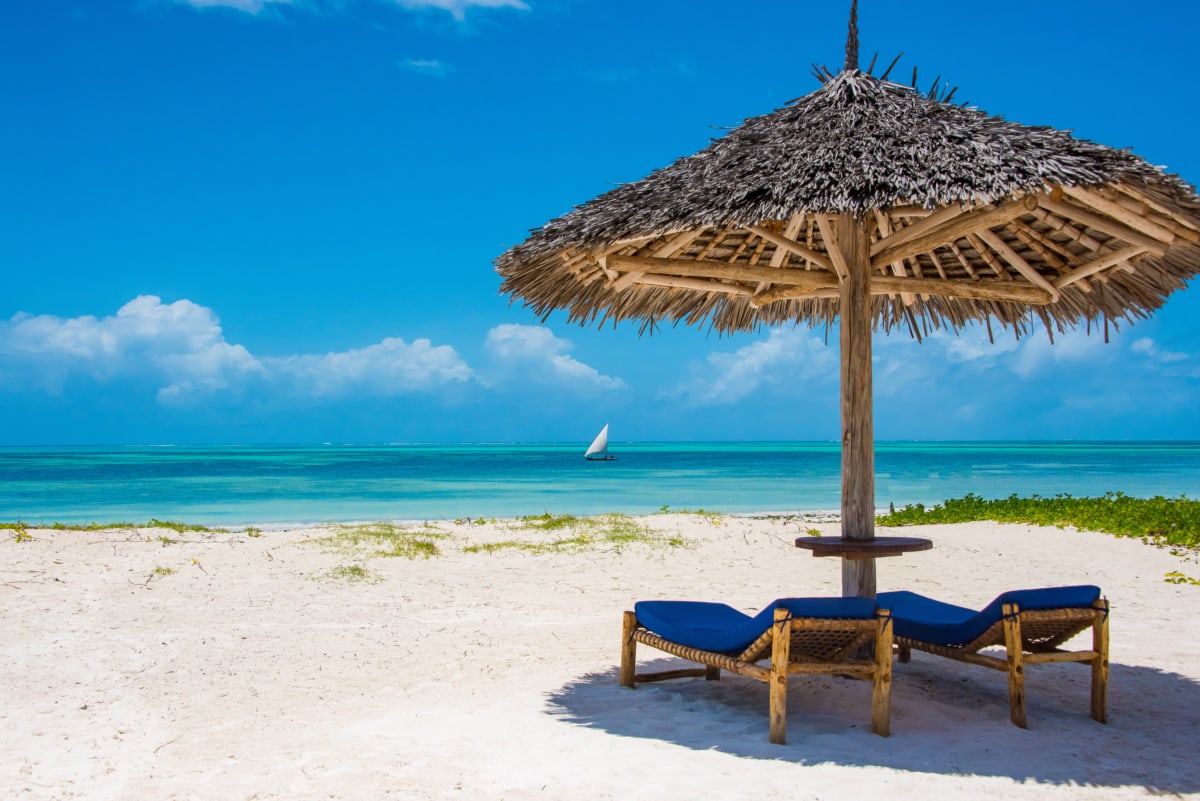
Focus the offer around one commercially important period.

Qualify organisers and capture the group’s requirements.
Turn broad interest into a structured sales opportunity.
Create relevant reasons to return for people who know you.
Ads tell us which messages attract attention. Funnels tell us which visitors progress. Booking data tells us which journeys create commercial value. Those learnings influence what we advertise next.
Explore the strategy behind an illustrative honeymoon funnel, from the first ad to the next experiment.
A honeymoon ad promises privacy and connection. The first screen carries that promise forward with the villa, the view and a clear invitation to explore.
Interactive strategy walkthrough · illustrative exampleA considered travel decision may take more than one session. Give interested guests useful ways to keep the journey going.
Where contact details are willingly shared and consent allows it, the journey can continue through email, WhatsApp, your CRM or the reservations team.
Strategy / Creative
Connect the guest, campaign promise and reason to stay.
Turn that strategy into a focused mobile experience and a clear booking handoff.
Measure progression, form hypotheses and improve the journey with evidence.
Practical answers on turning hotel advertising traffic into more valuable booking intent.
No resources match your search.
Built around the reason someone wants to stay. Connected to the next commercial step. Improved by what real guests do.
Tell us about your property, campaign and booking setup. We’ll use the conversation to identify where a focused funnel could help.
Google's booking form asks for your name and email — that is what creates the calendar invite and sends the confirmation.
The live booking calendar isn’t connected yet. This preview has not submitted your details or reserved an appointment.
No. Funnels are built for specific campaigns, audiences and offers. Your main website remains the property’s broader digital home.
Usually the funnel hands the visitor into your existing booking engine at the appropriate point. Where different integrations are available, the exact journey can vary.
It depends on the platform. Before making attribution or automation promises, we review which integrations, events and data are actually available.
We use technology appropriate to the campaign. You are buying the conversion strategy, experience and ongoing optimisation, not a particular page builder.
Yes, depending on the project. The greatest advantage comes when campaign and conversion data can inform one another.
Yes. Messaging, structure, questions, CTAs and conversion logic are part of the strategy. We can use your asset library or produce photography and video where the campaign needs it.
A short sequence of questions helps understand what the guest wants and can change the experience based on their answers, including the rooms, experiences and offers shown next.
Unnecessary friction is bad. Useful questions can improve intent, segmentation and lead quality. Each interaction should help the guest make the decision.
We analyse behaviour and downstream conversion, form hypotheses, deploy changes or controlled tests, and compare results. The cadence depends on traffic volume and reliable measurement.
Yes, where the implementation supports it. Campaign source, offer, audience and answers can influence the journey. Follow-up requires willingly supplied contact information and appropriate consent.